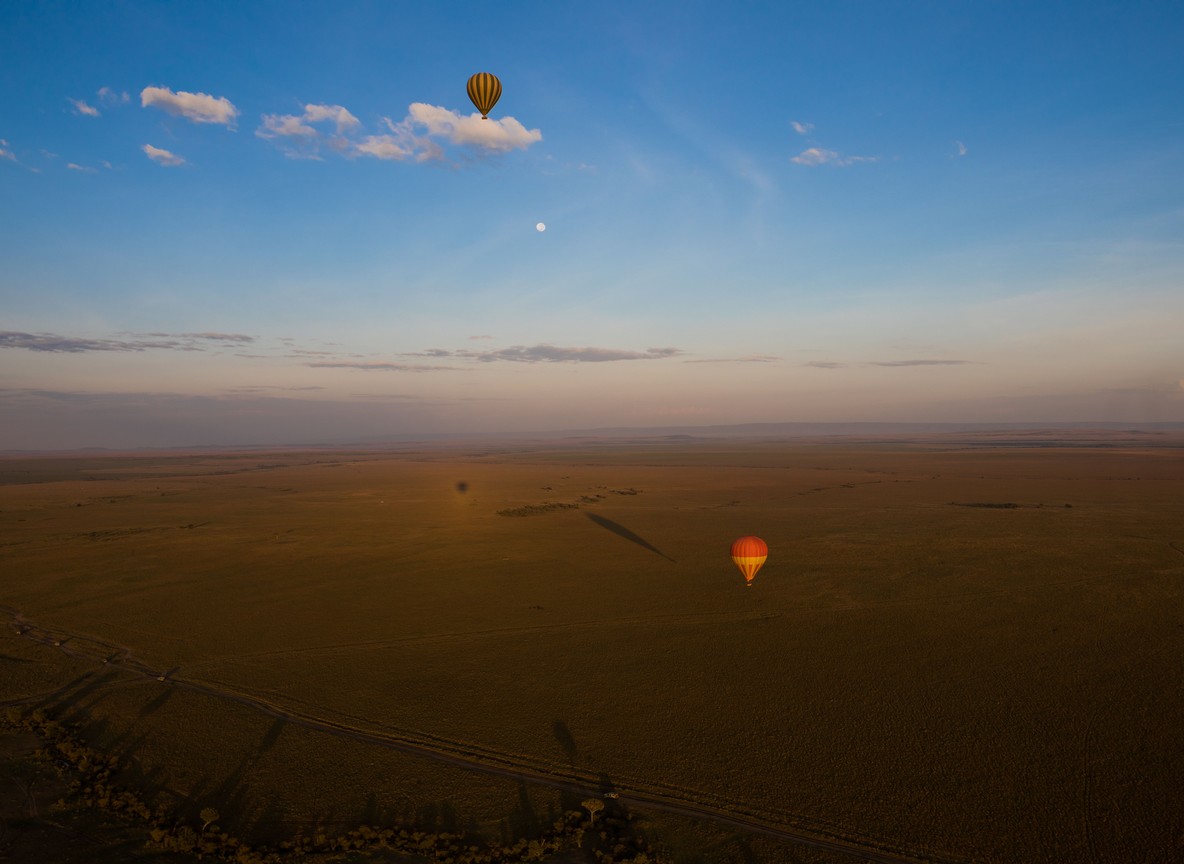
Picture two mornings in the Masai Mara. In one, you wake in a canvas tent warmed by the sun, and breakfast ingredients come from a Maasai women’s kitchen garden. In the other, a butler draws your copper bath beside a private plunge pool, and dinner is a four-course affair lit by lanterns at the river’s edge.
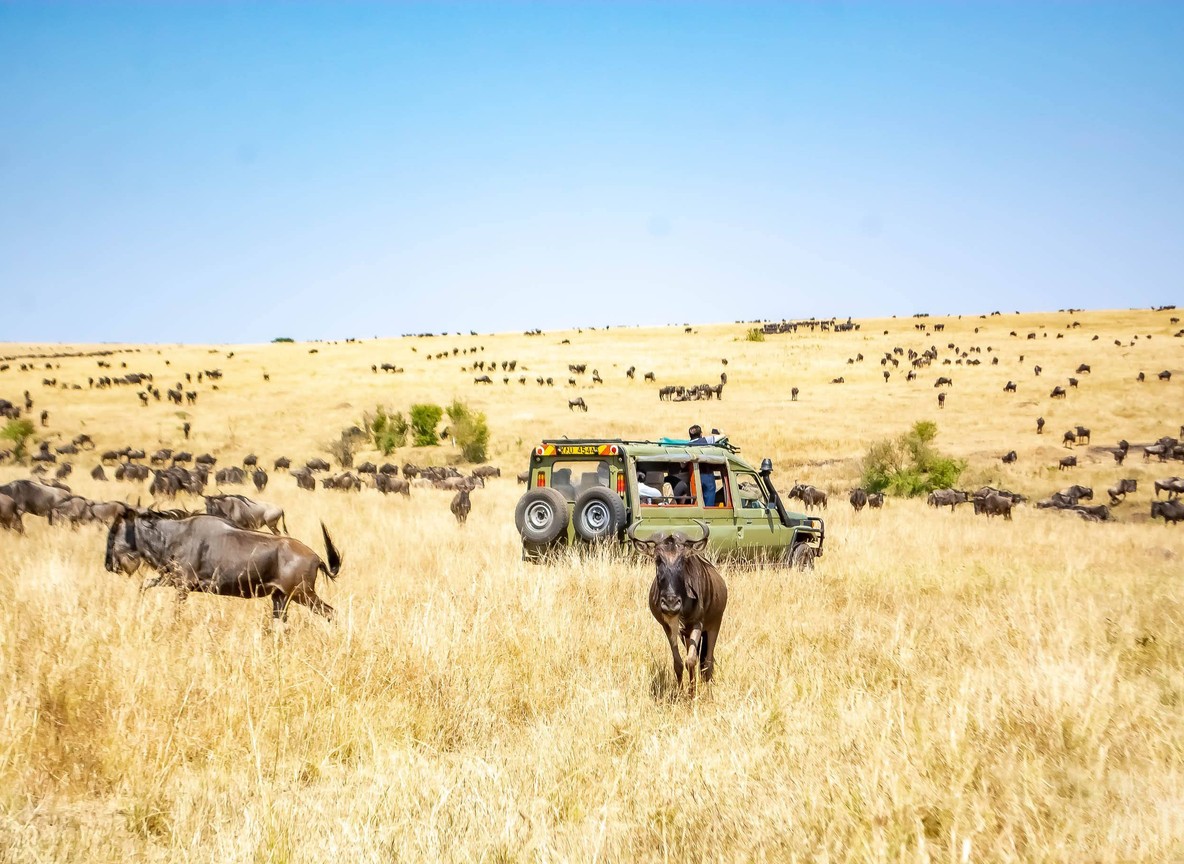
That contrast captures something real about the eco lodge vs luxury lodge Masai Mara decision. But it also obscures something important: the Masai Mara’s most environmentally serious camps are increasingly also its most luxurious. The comparison is not as clean as the marketing might suggest.
Here is what the distinction actually means in practice.
What Defines an Eco-Lodge
An eco lodge Masai Mara is a camp or lodge that actively reduces its environmental impact while contributing to the surrounding ecosystem and local communities. Genuine eco credentials typically mean:
Energy: Full or primary reliance on solar power rather than diesel generators. A camp running on solar is quieter, has a smaller emissions footprint, and is usually operating at lower long-run cost. The silence at dawn in a solar-powered camp is one of its most underrated qualities.
Water: Rainwater harvesting, borehole systems, and greywater recycling. A serious eco lodge manages water deliberately because the supply is real and finite.
Waste: Composting systems, minimal single-use plastics, and responsible waste disposal. This is harder to achieve in a remote camp than it sounds.
Community employment: High percentage of staff from surrounding Maasai communities. Money that stays local builds economic resilience.
Conservation contribution: A portion of daily fees directed to wildlife conservation, anti-poaching, or community development. The best camps can quantify this per guest night.
Construction approach: Natural materials, minimal concrete, low ground disturbance. A camp built to leave minimal trace on the landscape requires real design commitment.
The best eco-friendly safari camp Masai Mara delivers all of these things without compromising the guest experience.
What Defines a Luxury Lodge
A luxury lodge Masai Mara is defined by the quality of the guest experience across every touchpoint. The standards that characterize genuine luxury in this context:
Accommodation: Private plunge pools, indoor-outdoor showers, fine linen, well-designed furniture. The tent or suite itself is a destination.
Dining: Multi-course meals, excellent wine lists, produce sourced thoughtfully. Some properties in the Mara have kitchens that would perform well in a city restaurant context.
Service: Low guest-to-staff ratios, personalized attention throughout the stay. The best luxury camps know the names of returning guests and anticipate preferences without being asked.
Game drive quality: Expert guides, modified photography vehicles in some cases, access to exclusive conservancy zones that smaller vehicle counts cannot match.
Location: The Mara River frontage camps, elevated escarpment properties, and prime conservancy positions are typically luxury lodge territory. Location in this ecosystem is often the most expensive line in the development budget.
Where the Categories Overlap
This is where the eco lodge vs luxury lodge Masai Mara framing needs genuine nuance. Several of the most consistently praised luxury camps in the Mara ecosystem are simultaneously among the most ecologically responsible.
Angama Mara, Mara Plains Camp, and Cottar’s 1920s Safari Camp all combine ultra-premium accommodation with serious sustainability programmes. This is not marketing overlap. It reflects the practical reality that eco-conscious design often produces a better guest experience: no generator noise, stronger connection to local community, smaller and more intimate footprint.
The green safari lodge Masai Mara is not a lesser version of luxury. For many experienced travelers, it is the standard that a serious safari property should aspire to.
Key Comparison: Eco-Lodge vs Luxury Lodge
| Factor | Eco-Lodge | Luxury Lodge |
|---|---|---|
| Primary energy source | Solar / renewable | Mix (some diesel dependency) |
| Community hiring | Very high | Variable |
| Conservation fee | Often explicit and quantified | Variable |
| Accommodation specification | Comfortable to high-end | High-end to ultra-premium |
| Environmental certification | May hold LCIA or similar | Not always certified |
| Dining quality | Good to excellent | Excellent to exceptional |
| Price range | Budget to mid-luxury | Mid-luxury to ultra-premium |
| Carbon footprint | Minimal | Higher at larger properties |
| Guest experience emphasis | Authenticity, intimacy, values | Premium comfort, service polish |
| Best suited to | Eco-conscious travelers, value-seekers | Honeymoons, special occasions, comfort-first guests |
Does the Distinction Affect the Safari Itself
On game drives, the distinction between an eco-lodge and a luxury lodge is almost negligible. You are in the same bush, looking at the same wildlife, with guides who operate under the same professional standards. The vehicle may differ at the premium end, where some luxury properties offer modified open-sided vehicles with camera mounts, but this is a refinement, not a fundamental difference.
The distinction is entirely about what happens in and around the camp: what you sleep in, what you eat, how attentive the service is, and whether the property’s relationship to the landscape feels genuine or cosmetic.
Eco-lodges tend to offer:
- A more direct, connected relationship to the bush environment
- Smaller camps with fewer guests and higher intimacy
- A sense that the stay is contributing to something beyond the experience itself
Luxury lodges tend to offer:
- Higher-specification rooms with premium amenities
- More polished service and fine dining
- Greater infrastructure investment in exclusive access and game drive facilities
Recommended Eco-Focused Properties in the Mara
- Basecamp Masai Mara: One of Kenya’s pioneering eco-lodges, with a well-documented community and conservation model and a long track record of genuine sustainability credentials
- Porini Mara Camp and Porini Lion Camp: Low-impact tented camps in the Ol Kinyei and Olare Motorogi conservancies, with strict vehicle numbers and strong conservation partnerships
- Ol Kinyei Conservancy camps: Community-owned conservancy with a clear sustainability focus and limited guest numbers
- Elephant Pepper Camp: Intimate, low-footprint camp in a private section of the Mara area, named for the distinctive elephant pepper trees around the site
Which Should You Choose
Choose an eco-lodge if:
- Environmental responsibility is a value you want your travel to reflect
- You want to know your stay is directly supporting wildlife conservation and community development
- A more intimate, less polished bush atmosphere is what you are looking for
- Budget is a consideration and eco-lodges offer more accessible pricing in the Mara
Choose a luxury lodge if:
- Premium accommodation, fine dining, and service excellence are your core priorities
- You are marking a special occasion and want the most complete guest experience available
- A plunge pool, spa, or butler-level service matters to you
- You are less focused on environmental credentials and more on comfort
The most useful approach: Ask specifically for properties in the Mara that combine genuine eco credentials with high-quality guest experiences. This segment, sometimes called sustainable luxury, is where the most interesting camps in the ecosystem sit right now. It represents a better answer for many travelers than either category in its pure form.
Practical Planning Notes
Verify eco claims before you book. Ask any camp that describes itself as an eco-lodge what percentage of its energy comes from solar, how its conservation contribution is structured, and what percentage of staff are from local Maasai communities. Properties with genuine credentials can answer these questions specifically. Vague answers are a signal.
Seasonal timing. The Mara sees its highest demand from July through October during the wildebeest migration. Both eco and luxury lodges price at a premium during this period. Green season (November through June) offers lower rates, lighter crowds, and often excellent wildlife conditions, particularly for predator viewing.
Conservancy vs national reserve. Eco-lodges in the Mara are disproportionately located in private conservancies rather than in or immediately adjacent to the national reserve. This is relevant to game drive access: conservancies allow early morning and late evening drives that the national reserve does not, and vehicle numbers per sighting are strictly capped.
Explorer Notes
The elephant pepper tree (Warburgia ugandensis), which gives Elephant Pepper Camp its name, is one of several forest species that create distinct micro-habitats within the Mara ecosystem. Eco-lodges positioned near these forested patches tend to attract different wildlife than open-plain properties: leopard, bushbuck, and forest birds that rarely appear on open savanna drives.
If leopard sightings are on your priority list, asking specifically about the terrain around any camp you are considering is worth doing. Guides from eco-camps in forested areas often develop genuinely specialized knowledge of individual animals’ territories.
Where to Go Next
- Maasai Mara conservancy comparison: which one suits your safari style
- Best time to visit the Masai Mara by month
- Masai Mara camp comparison: mid-range to luxury
For current camp availability and sustainability notes on specific properties, trunktrailssafaris.com has detailed camp comparisons for the Mara ecosystem, including which properties hold conservation certifications.
Every trip described here can be tailored: dates, budget, camps, and pace built around you.
Get a Personalised Safari